
The Land of Almost: A Conversation With Zoe Roarz
After my article interviewing the band Skanks With Knives, I became curious about what life is like for women in the music industry. For a while, I struggled to think of who would make a good subject for the next article. I knew I wanted to interview another woman, but I didn't want the conversation to feel repetitive.
So I reached out to Nikki, the guitarist for Skanks With Knives, for suggestions. She told me about a friend of hers who immediately piqued my interest: a woman named Zoe who was preparing to release her first album.
From what Nikki described, Zoe wasn't an upcoming celebrity with a massive fan base or a member of some well-known band. She was simply a woman who had left home to pursue a dream—something many of us wish we'd done, could do, or are currently trying to do ourselves.
That's when I knew she was exactly the right person for the next article for The LOWDOWN.
This is how our conversation went.
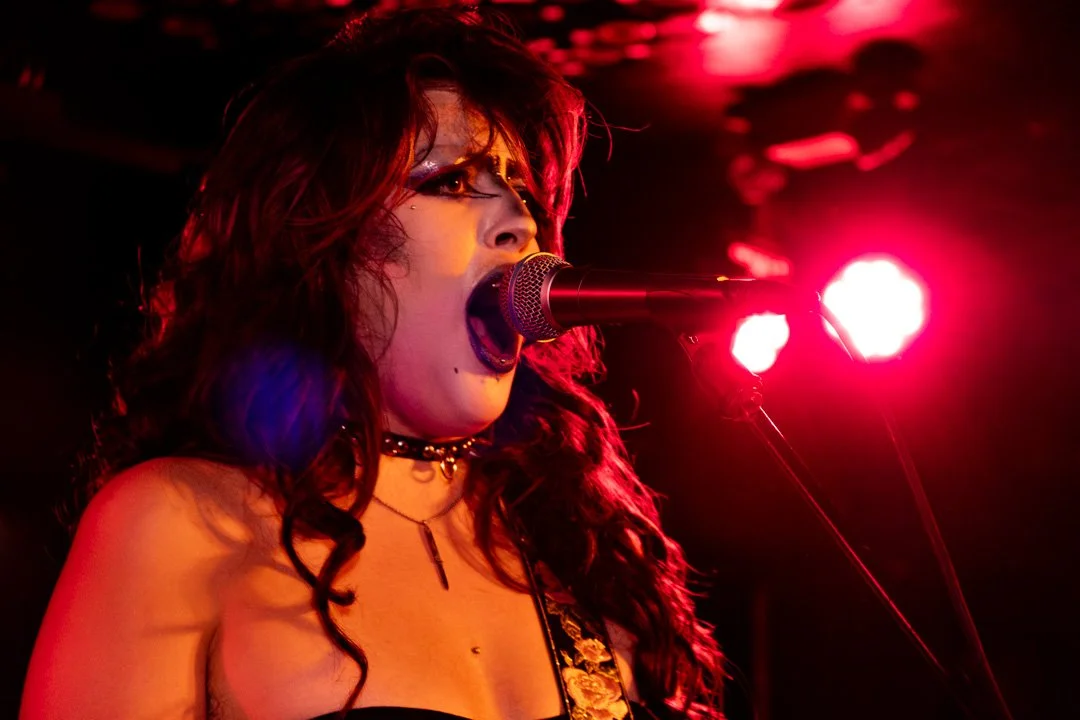
ORIGINS
Before jumping into the deeper questions, I wanted to know where Zoe came from. Understanding where she started would help paint a clearer picture of who she is and how she ended up where she is now.
Q: Where are you originally from, and where are you based now?
Zoe: “I am from Kansas City, Missouri, and currently based out of Los Angeles.”
A Midwestern woman living in LA. I imagine the difference must have been stark—night and day.
I couldn't imagine the culture shock she must have felt when she first arrived.
Well, actually, I can. But that's another story.
She was probably some mixture of excited, anxious, and maybe even a little scared—not necessarily of danger, but of the unknown.
Q: What made you decide to move to LA?
Zoe:“I hated being in the middle of nowhere! It’s exactly how horror movies make it sound.”
"Exactly how horror movies make it sound."
So... menacingly isolated from other towns, eerily quiet except for the wind occasionally blowing into your ears like a whispered threat, and surrounded by country roads that take you so far from civilization they begin to feel like liminal spaces between reality?
That sounds about right.
Q: What did you imagine your life in LA would look like before you moved there?
Zoe:“…doing what I want, working hard, meeting talented people. Learning and growing the craft…”
I think that's how a lot of people who dream of moving to a big city imagine their future. I know I do, at least.
Honing your craft. Meeting like-minded people. Networking. Finding opportunities to get your name out there. And, of course, working a shitty job you couldn't care less about—but doing it well enough not to get fired because you still have bills to pay.
It made sense why Zoe moved.
Now I wanted to know whether her expectations had met reality.
Q: What was the reality of arriving compared to what you expected?
Zoe: “It was dank! More people who thought and felt like me, and also more culture than there had ever been around me.”
I don't think I've ever actually heard someone use the word "dank" in a sentence before, but I get what she means.
Q: Was there ever a moment after moving where you seriously questioned whether you'd made the right decision?
Zoe: “Never looked back, sorry Missouri, love you...”
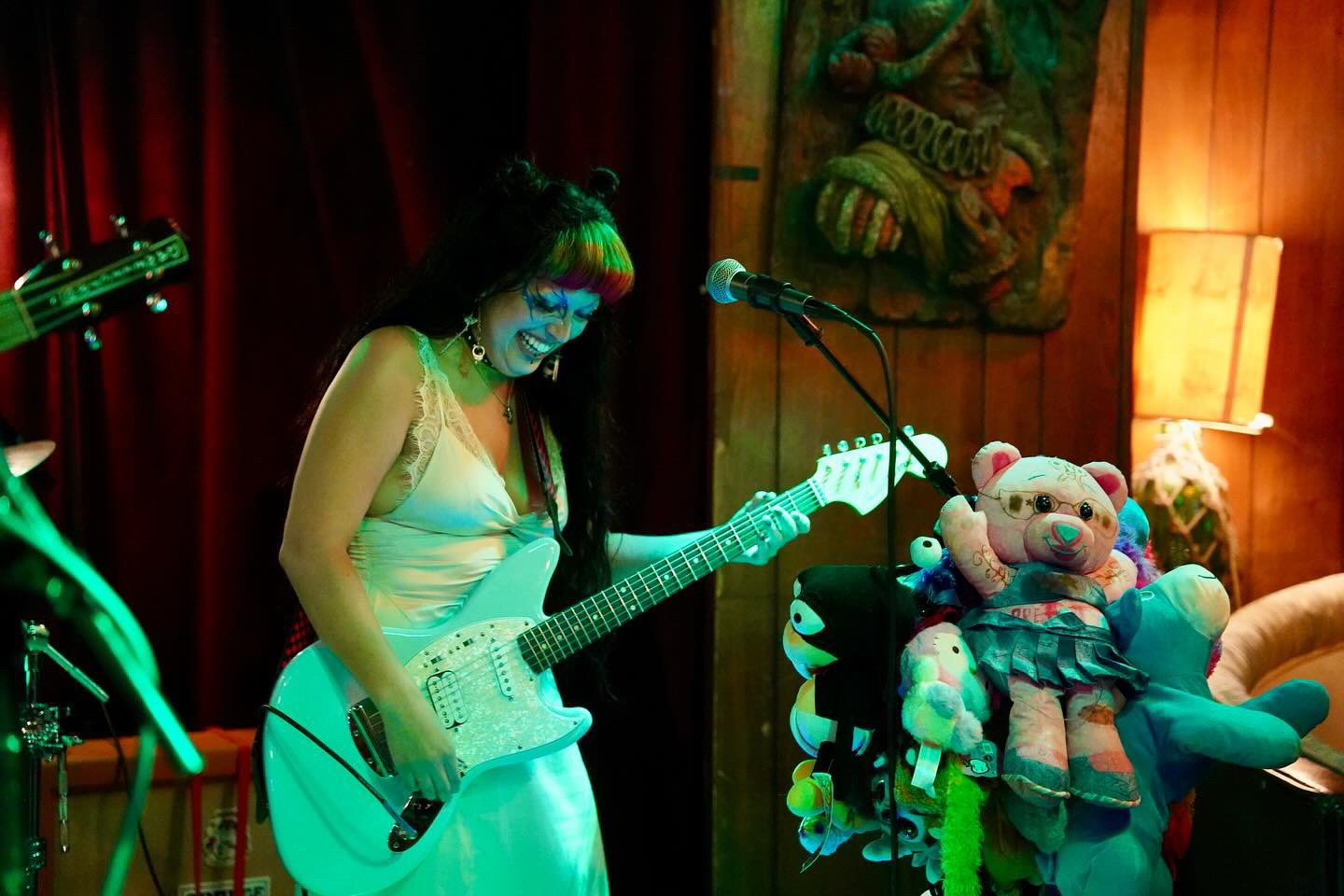
WHY MUSIC?
Before speaking with Zoe, I already knew she played guitar. What I wanted to know now was why.
Why the guitar?
Why music?
I like asking these kinds of questions because I think it's interesting to learn how people first discover the things they consistently give their time and energy to. We only have so much of both, after all.
Q: When did music first become something more than just something you enjoyed?
Zoe: “It’s always been how I process anything. I did bad in school, I didn’t understand much, I always felt a step behind everyone, but when it came to music, that’s just something that always made sense.”
Q: What was it about guitar that grabbed you in the first place?
Zoe: “Um, helloooo, guitar is aura maxing. I grew up listening to a lot of pop punk, and it just seemed like such a staple to a good song.”
Aura maxing?
I laughed when I first read that. I've never actually heard anyone use "aura" or any form of "maxing" in a sentence outside of YouTube thumbnails.
But she wasn't wrong.
Guitar players do have a certain natural coolness to them—especially when they can actually play. Hell, who hasn't, at some point in their childhood, dreamed of being a guitar player in a rock band?
I get it. That's what I mean.
Q: Who or what influenced the kind of music you wanted to make?
Zoe: “I have always loved pop and rock growing up as a kid. I remember I listened to a lot of mainstream pop punk bands like Bowling For Soup, Green Day, Avril Lavigne, Simple Plan, and Sum 41 when I was in elementary school. And then, growing up into emo and screamo: Asking Alexandria, Falling In Reverse, Bring Me The Horizon. Then hitting high school, diving hard into classic rock and a lot of grunge/90’s alt rock and riot grrl music: Alice Cooper, Led Zeppelin, Black Sabbath, Queen, and stuff like Mudhoney, Babes In Toyland, & Soundgarden.”
I'll admit, she had way better taste in music than I did when I was a kid.
Now I wanted to go a little deeper.
Q: What's something you had to give up or sacrifice to pursue music?
Zoe: “Being near my family and friends and everything I’ve ever known.”
Q: What's been your lowest moment since deciding to pursue music, and what got you through it?
Zoe: “Not sure if it was the lowest, but the realest it got was once I first moved out here. I had no one, not even a family or a friend already living out here. No connections in this big city, and I gotta build them all on my own, and I did this to myself for music. Man, what a dreamer! Never thought I could make what I have for myself out here. It might not be all the glamour of the old Hollywood American dream propaganda machine wants to sell you, but it’s my dream, and I’m proud of the friends and bands and art I’ve made since moving out here 4 years ago.”
That's real.
Despite the uncertainty of moving to a new city and the isolation of arriving completely alone, Zoe never looked back. Four years later, she's still there in LA.
I respect both her courage and her honesty about how difficult it was.
Q: Do you create primarily for yourself, for other people, or somewhere in between?
Zoe: “Honestly, I don’t make music for anyone but myself. If anyone else enjoys it, that’s a plus. I just need to do it to express myself and process the environment around me.”
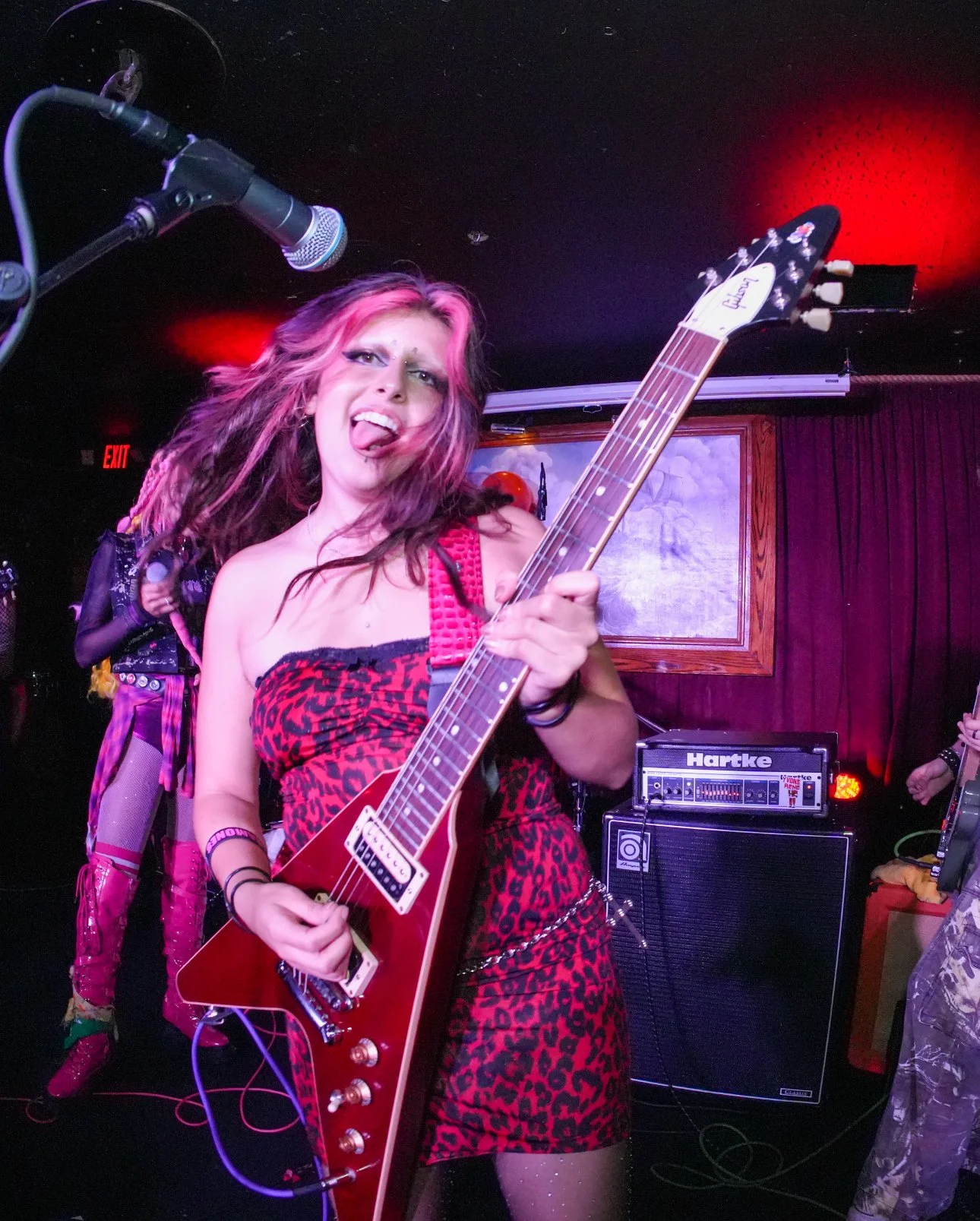
LA LIFE
So Zoe moved all the way from Missouri to Los Angeles to pursue music.
What was LA actually like for her? Did it meet her expectations, or did the city surprise her in ways she couldn't have anticipated? More importantly, how did moving into such a radically different environment shape her as both a musician and a person?
These were the things I wanted to find out next.
Q: You've been playing shows in LA for a while now. What has your experience with the music scene actually been like?
Zoe: “It’s been a blast! I love meeting the creatives out here; they only inspire me to be more insane and unhinged in my visions and art. Everyone is hungry, and it's really motivating. When one makes it, we all make it in a way. Always cheering for my peers in the scene because I know how much we love this!”
That was great to hear, but honestly, it surprised me.
When I think of a place like LA—where there's an enormous pool of talented creatives competing for a limited number of opportunities—I imagine something closer to a jungle.
Everyone out for themselves. Constantly competing for exposure in the hopes of making it big in their chosen industry. All while fighting self-doubt, haters, and the pressure to somehow turn their passion into something financially sustainable.
Apparently, Zoe had found something different.
Q: Have you found a sense of community among other musicians and artists, or can LA sometimes feel competitive?
Zoe: “Yes! I have found a great community. I am not a competitive person; I stay away from energy like that and hang with real ones who root for each other.”
Q: What's the hardest part about being an independent musician in a city as massive as LA?
Zoe: “If you don’t have a good sense of yourself, it’s very easy to get thrown off. People can smell it from a mile away. And also don’t lose yourself and stay humble. One day you’re on stage; the next day you’re picking up garbage in a movie theater, another faceless employee no one cares about! LA is the land of ‘almost’; the glitz and glam is always just out of reach. Everyone says they can do something for you, but only a few actually do anything.”
"LA is the land of almost."
That sentence has a cinematic somberness to it, like it was pulled straight from a movie about someone who moved to Los Angeles to chase a dream, only to discover that not everything that glitters is gold.
Nothing is ever quite what it first appears to be.
Chasing the spotlight can feel like chasing clouds—always close enough to see, but too far away to hold.
Zoe has lived that reality, just like countless people before her and countless others who will come after. And what she said about people constantly offering opportunities but rarely following through is a grim but important lesson that many hopeful people probably learn too late.
Q: What's something about the LA music scene that outsiders probably misunderstand?
Zoe: “You can play a million shows around town and still not get discovered!”
Now for the question that's been on my mind since the beginning of this conversation.
Q: How do you balance following your passion with other responsibilities, such as paying bills?
Zoe: “Chaotically and by the seat of my chair. I often sacrifice my social and love life for my music passion because I can’t give up paying the bills.”
I found Zoe's answer especially interesting because you never really know how ambitious someone is when all you can see is where they are now—not where they're trying to go.
The barista at Starbucks could be an aspiring actress.
The bartender who spends his nights making cocktails may spend his days working on a novel.
The cashier at McDonald's may be a singer waiting for their opportunity.
Art has always required sacrifice, but there's something sad about what that sacrifice can look like in a world where everything costs money, nothing is cheap, and the thing that makes life worth living for you isn't necessarily enough to put food on the table.
I wondered what sacrifice, if any, would be too much to keep Zoe's dream alive.
And what her life would look like without it.
Q: Imagine you were unable to play music ever again for some reason. How do you think that would affect you and the way you lived your life?
Zoe: “My whole life revolves around music; I wouldn’t know where to start.”
Q: What's been the moment that made you think, "Yeah, this is why I came here"?
Zoe: “The first time I saw a show of local L.A. bands, I saw myself in all of the bands that played that night. Artsy, creative, quirky; all had their own gimmick and niche. Growing up in Missouri, it’s a lot of the same thing over and over, lots of talent but very uniform. Seeing all these bands screeching and jumping around, and the colors everyone would wear, and the lengths people go to get ready out here—not only the bands but the crowds too—to not only sound their best but look their best, most expressive selves, I was like, yep, this is where I want to be.”
When I spoke with Turbo from Skanks With Knives, she told me that she'd sometimes felt underestimated and unfairly treated in the LA punk scene because she was a woman.
I wondered whether Zoe had experienced something similar.
Q: Have you ever felt underestimated, misunderstood, or judged because you're a woman?
Zoe: “Yes, here’s a tiny example; it happens all the time! MANY times people will walk right past me and talk to my boyfriend or guy friends about MY gear. I could be holding all the gear myself, and they still ask the man about my gear…”
Q: Do you think there are expectations placed on women musicians that aren't necessarily placed on men?
Zoe: “YES. Women must be sexualized to sell music, make it mainstream, etc. It’s horrible. I’m more than my body.”
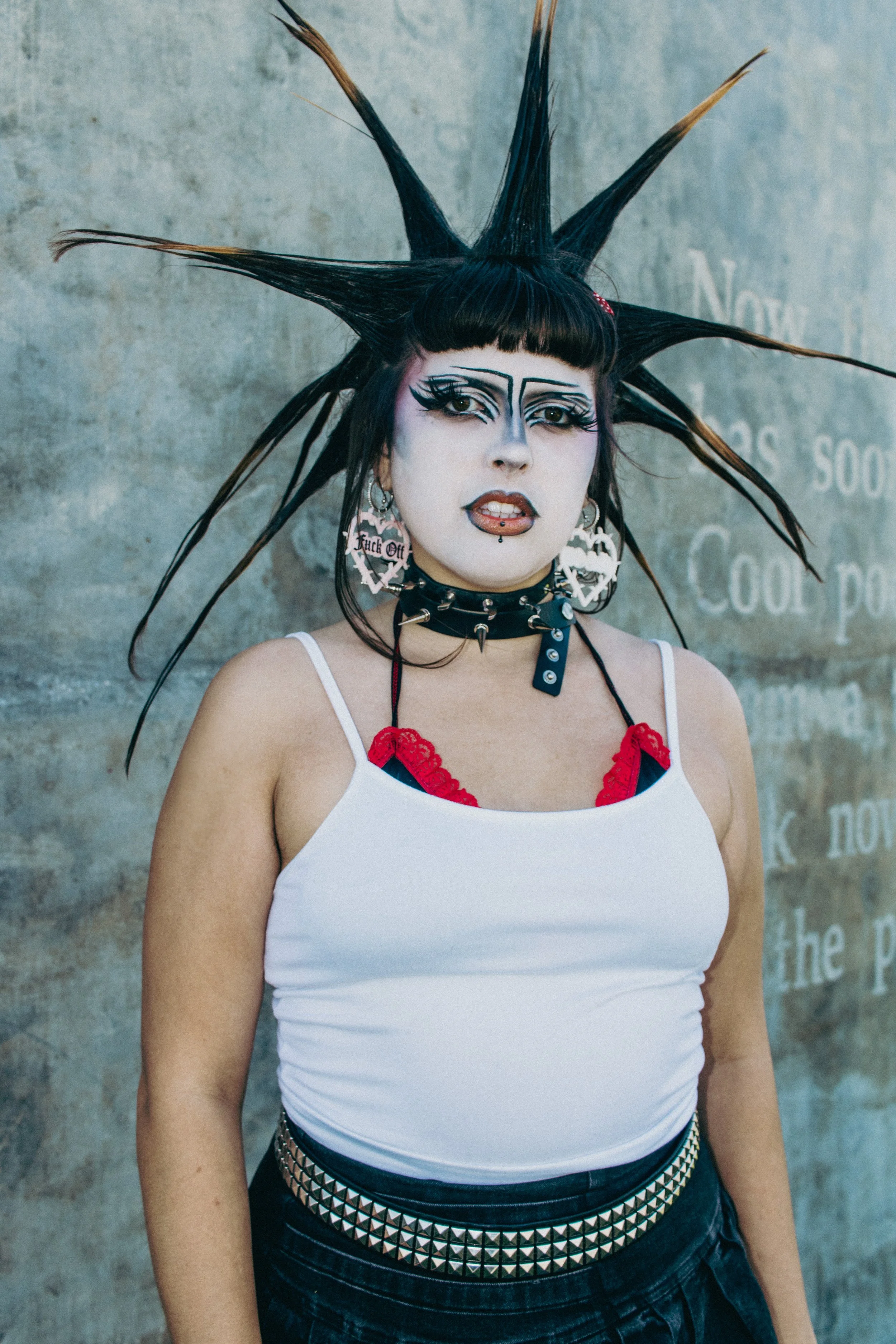
THE PASSION
I like to think that passion is the sweetness of existence.
An activity is just an activity, but when an activity meets passion, it becomes something more. Something transcendent, even.
The noise of the outside world—social pressure, relationship drama, self-doubt, expectations—goes quiet. You're completely immersed in whatever you're doing. So immersed that you lose your sense of time, and for a moment, you become completely absorbed by the experience.
That's what passion feels like to me.
Q: What does passion feel like to you?
Zoe:“Feels like hot, burning ears turning red with excitement; feels like a dry throat and sweaty palms; feels like a fire inside you that feels like it’s gonna blow any minute if the pressure keeps adding up. Feels like late nights and pushing yourself past the point of tired. Feels like getting up and doing it all over again.”
Q: What advice would you give someone who is struggling to find their passion?
Zoe:“You gotta do it for you. Even if it's something small or silly, if it’s what moves you, invest more time into it. Think about what you loved as a kid and dive headfirst into those interests and see where it can take you.”
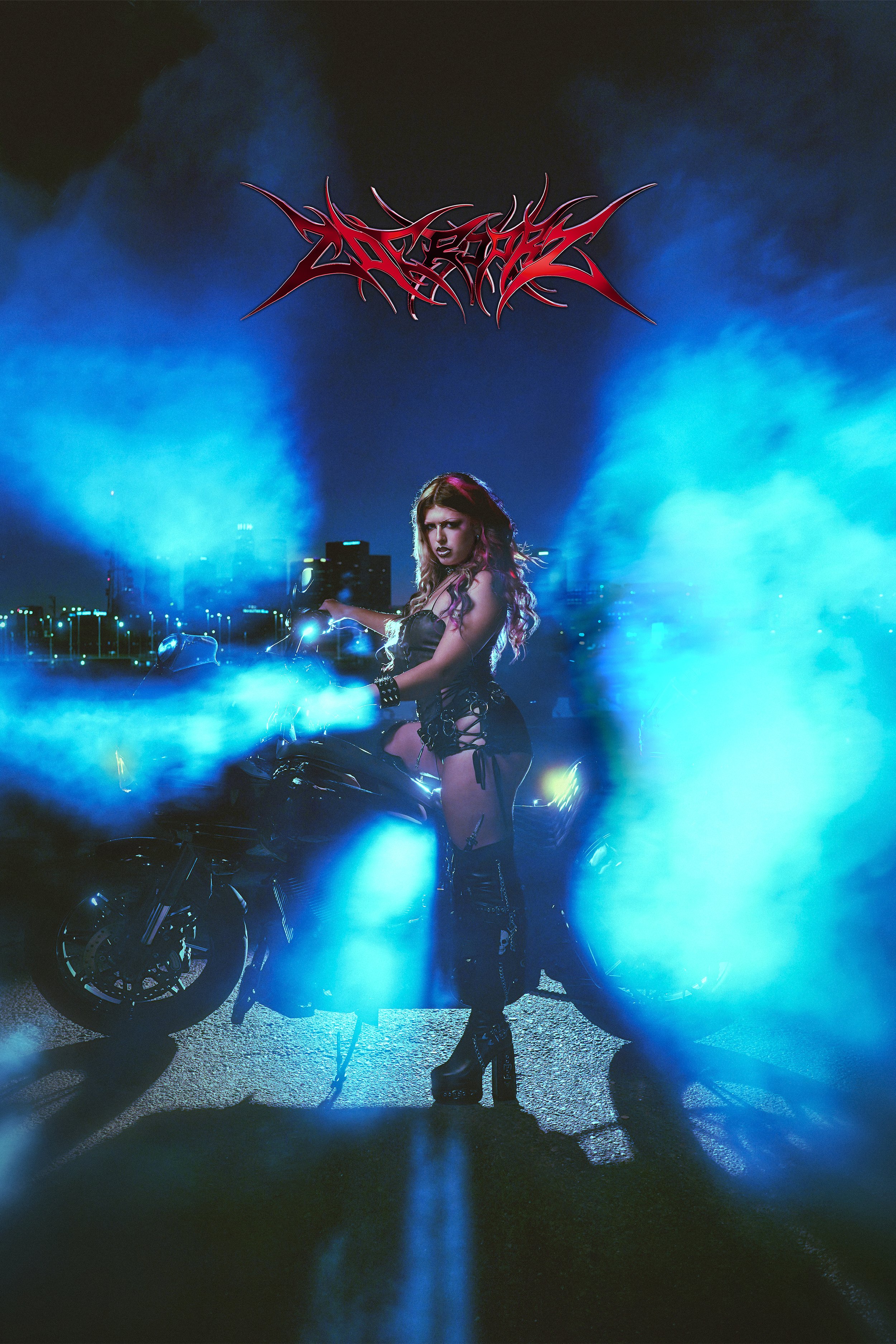
THE ALBUM
Lastly, I had to ask about the album.
All Nikki had told me was that Zoe was preparing to release her first album. I wanted to know what it was like for an independent artist to create a project like that for the first time—and what this particular album meant to her.
Q: I understand that you are getting ready to release an album. When did this project first start taking shape?
Zoe: “I started working on this album unknowingly years ago, but it didn’t have any shape or clarity to it until these past couple of years. The vision hit me like a truck one day, and I had a fire under my butt to get it out ever since.”
Q: What does this album mean to you personally?
Zoe: “Everything!! This album means everything to me! I made this album as a reminder to everyone too scared to make a change in their lives to just do it! Don’t live full of what-ifs. I hope this album inspires a fire under people’s butts to get on with their lives; no one will live your life for you. Get out there and grab what’s yours!”
Q: Is there a particular song on the album that feels especially personal? Why?
Zoe: “The Man Who Lived for Everyone but Himself,” the last track on the album, deals with heavy topics. Things like the purpose of life and dealing with suicidal ideation. It all ties into the theme of the album.
Q: What impact or effect do you hope to have on people who hear your music?
Zoe: “I hope people find themselves in my music. I hope they see me and think to themselves, you can be a rowdy, loud creative girlie; don’t let others dim your shine. I was bullied a lot growing up, got sent away because no one knew how to handle me, so I just hope all the other weirdos, freaks, and geeks can come together in my songs. I hope my music helps people find beauty and commonality in differences.”
Q: If you could say anything to the person reading this article right now, what would it be?
Zoe: “WHAT ARE YOU WAITING FOR?! GO! Whatever you're scared of, go for it. It can either go good or bad. Then you make your next move from there, but at least you’re living.”
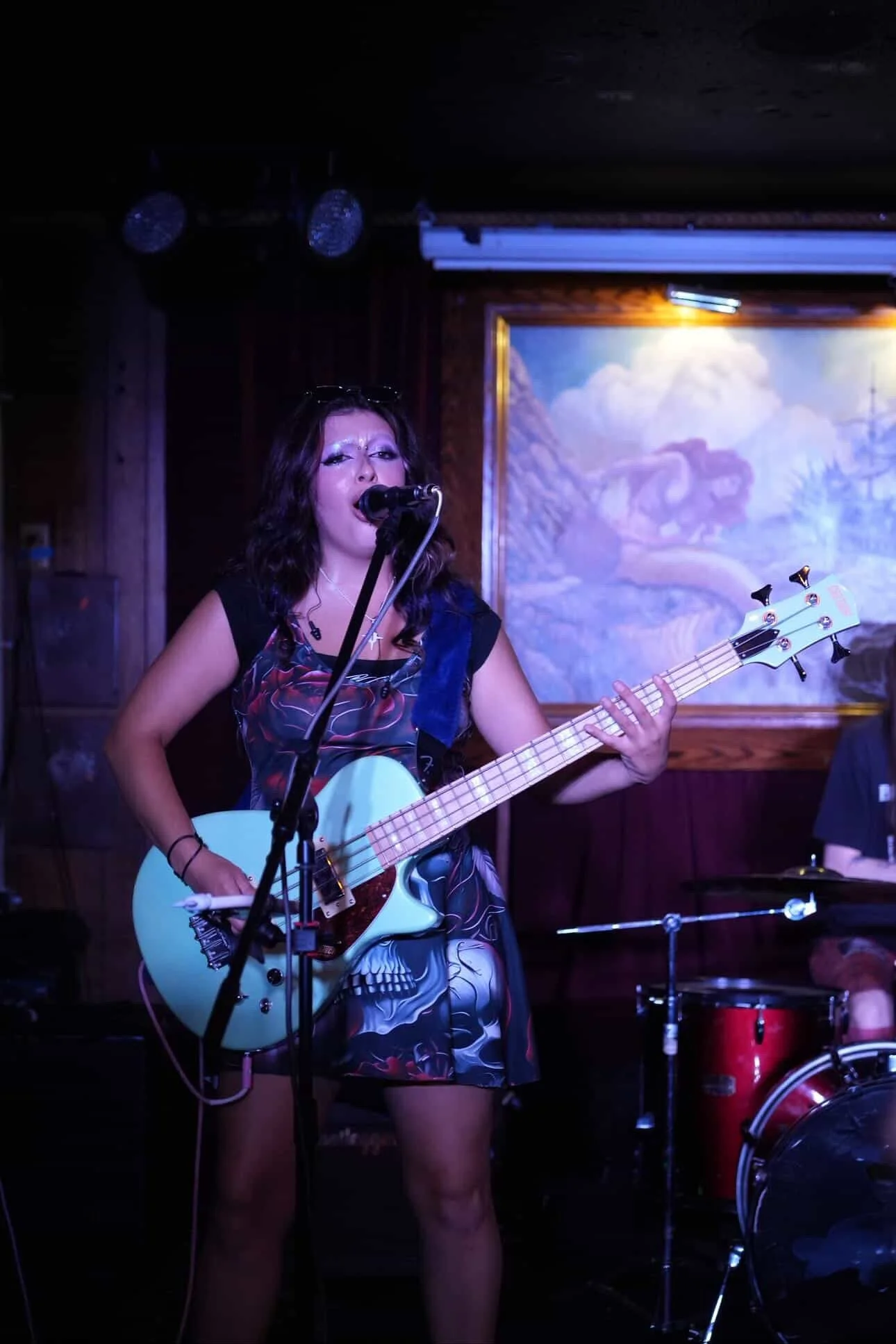
REFLECTION
I'm glad I interviewed Zoe.
I think her story is interesting because of how down-to-earth it is. She left everything she'd ever known and moved somewhere completely new to pursue something she was passionate about. She struggled. She doubted herself. She faced isolation, financial responsibilities, and all the uncertainty that comes with chasing something that doesn't come with any guarantees.
Yet she kept going.
Now, four years after arriving in Los Angeles, she's preparing to release her first album—one that carries an enormous amount of emotional weight and meaning for her.
Movies tend to portray leaving home to chase a dream as something glamorous and dramatic. I'm sure there were moments in Zoe's journey that felt that way. But movies usually leave out the darker parts.
They don't show the self-doubt.
The loneliness of arriving somewhere with no one waiting for you.
The struggle of paying bills while trying to build connections.
The exhaustion of working a regular job while still finding the energy to pursue the thing you actually care about.
Zoe's story is what happens when hopeful dreams meet the coldness of reality.
And she kept going anyway.
Maybe that's what chasing a dream actually is.
Not one dramatic leap followed by immediate success, but a thousand smaller decisions to continue. To keep working. To keep believing in something when nobody else is obligated to believe in it with you.
Zoe didn't move to LA and suddenly become a celebrity.
She moved there, built a life, found her people, made art, worked jobs, sacrificed parts of her social life, and kept pursuing the thing that made her feel alive.
And now she's releasing an album.
Maybe that's not the version of the dream Hollywood likes to sell.
But it's real.
And honestly, I think that's a lot more inspiring.
WANT MORE OF ZOE? Check OUT HER WORK - Social/MUSIC LINKS BELOW
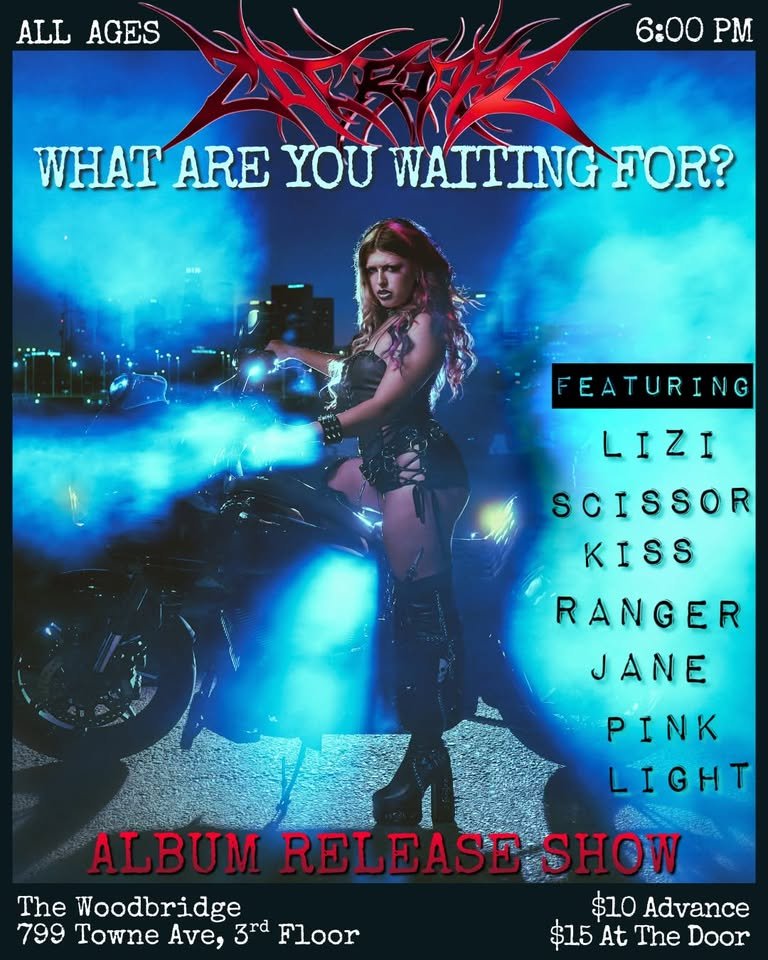
DEFINITELY GO AND SEE THIS!!
Thank You for reading
WANT TO CHALLENGE A LABEL?
LOWLIFE is currently hosting the CHALLENGING LABELS art contest.
We're asking artists to create work that questions the labels, stereotypes, identities, and expectations placed on ourselves and others.
Every artist who submits a piece will have their work featured in the upcoming CHALLENGING LABELS virtual gallery.
And the winning artist will receive a Behavior IssUES shirt set (our upcoming collection)
+
a personal review of their work from LOWLIFE founder LawErence Edward Linton III.
